A true legend of comedy”: heartfelt tributes pour in for actress Catherine O’Hara
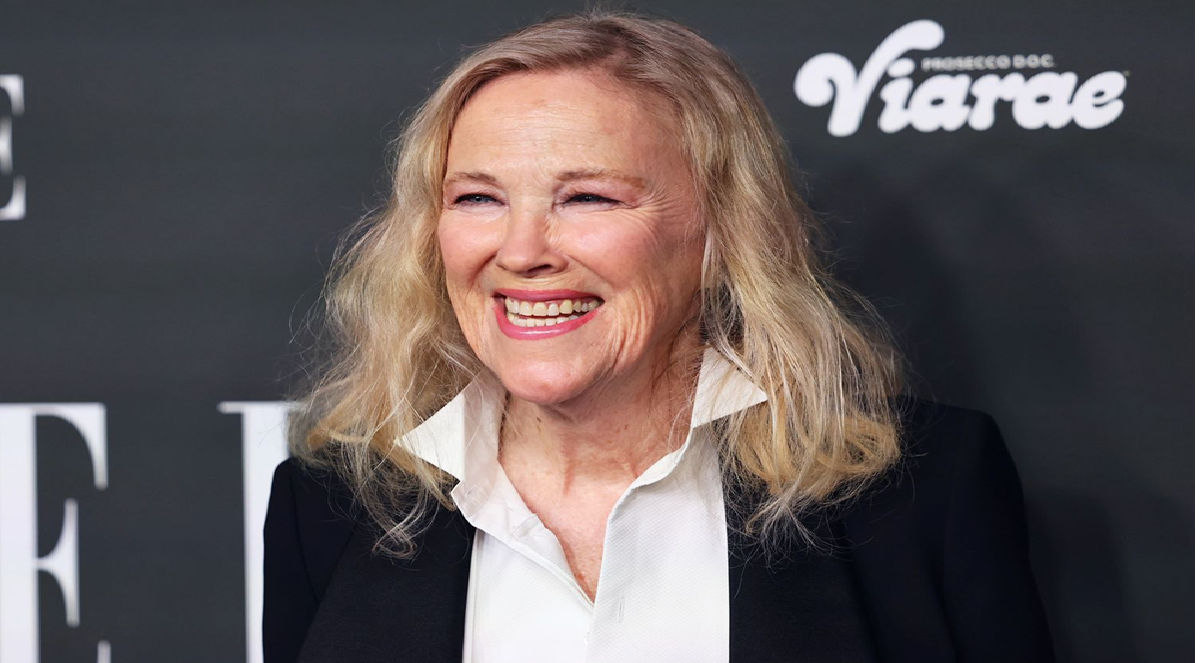
Catherine O’Hara Remembered as a Comedy Icon: Tributes Pour In from Across the World
The entertainment industry and fans around the globe are mourning the loss of legendary actress and comedian Catherine O’Hara, who passed away at the age of 71. Widely regarded as one of the most gifted comic performers of her generation, O’Hara leaves behind a remarkable legacy built on decades of unforgettable roles in film and television. From beloved holiday classics like Home Alone to the critically acclaimed television series Schitt’s Creek, her work shaped modern comedy and influenced countless performers.
News of her death prompted an immediate outpouring of grief and admiration from colleagues, public figures, and fans. Among those paying tribute were Canadian prime minister Mark Carney, filmmaker and actor Dan Levy, actor Michael Keaton, and comedian Seth Rogen, all of whom praised her extraordinary talent, generosity, and lasting impact on popular culture.
A Career That Defined Comedy Excellence
Catherine O’Hara was born in Toronto, Canada, and began her career in the 1970s through improvisational theatre. She became a founding member of the legendary Canadian sketch comedy troupe Second City Television (SCTV), which also featured future stars such as Eugene Levy, John Candy, and Rick Moranis. On SCTV, O’Hara showcased her rare ability to blend sharp wit with emotional depth, portraying a wide range of characters that demonstrated her versatility and instinctive comic timing.
Her work on the show earned critical acclaim and established her as one of Canada’s brightest comedic talents. Yet it was only the beginning. Over the following decades, she became a familiar face in Hollywood films and television, creating characters that felt authentic, hilarious, and deeply human.
One of her most iconic performances came in 1990 when she played Kate McCallister, the frantic mother who accidentally leaves her son behind in the holiday classic Home Alone. The film became a cultural phenomenon, and O’Hara’s portrayal added warmth, humor, and emotional realism to what could otherwise have been a slapstick comedy. Her performance resonated with families around the world and made her a household name.
She later reprised the role in Home Alone 2: Lost in New York, further cementing her place in pop culture history. Despite the films’ broad appeal, O’Hara’s performance stood out for its sincerity, proving her ability to ground comedy in emotional truth.
A Renaissance with Schitt’s Creek
While O’Hara enjoyed consistent success throughout her career, a major resurgence came in 2015 with the debut of Schitt’s Creek, the Canadian sitcom co-created by Eugene Levy and his son Dan Levy. O’Hara starred as Moira Rose, a former soap opera actress whose flamboyant wardrobe, unusual accent, and theatrical personality made her one of the most distinctive television characters of the decade.
Moira Rose was unlike anything viewers had seen before. With her extravagant wigs, dramatic gestures, and exaggerated speech patterns, O’Hara transformed what could have been a one-note caricature into a fully realized, emotionally complex figure. Over the show’s six seasons, audiences watched Moira evolve from self-absorbed celebrity to caring wife, mother, and community member—without ever losing her eccentric charm.
O’Hara’s performance earned her widespread acclaim, including an Emmy Award and a Golden Globe. More importantly, it introduced her brilliance to a new generation of viewers, many of whom discovered her earlier work as a result.
Dan Levy, who worked closely with her on the series, described her death as heartbreaking and called her a “legend” whose brilliance illuminated every scene she appeared in. In a deeply emotional tribute shared on social media, Levy said he would cherish every funny memory he was lucky enough to make with her and described her as “extended family” long before she ever played his mother on screen.
He emphasized how rare it was to encounter someone with her level of talent and kindness, adding that it was difficult to imagine a world without her presence.
A Loss Felt Beyond the Entertainment Industry
O’Hara’s death did not only resonate within the world of film and television. Canadian prime minister Mark Carney also paid tribute, highlighting her significance to Canadian culture and global entertainment. In his statement, he praised her for representing Canada on the international stage and for bringing joy to millions through her performances.
Carney’s comments reflected the sense of national pride Canadians felt toward O’Hara, who remained deeply connected to her roots despite achieving international fame. Throughout her career, she consistently collaborated with Canadian artists and supported Canadian productions, helping elevate the country’s entertainment industry.
Comedian Mike Myers echoed this sentiment, calling her death “a very sad day for comedy and for Canada” and describing her as “one of the greatest comedy artists in history.” Myers, who also emerged from the Canadian comedy scene, credited O’Hara with shaping the genre and inspiring generations of performers.
Tributes from Co-Stars and Friends
Many of O’Hara’s colleagues took to social media to express their grief and gratitude for having worked alongside her.
Michael Keaton, who starred with O’Hara in both the original Beetlejuice (1988) and its 2024 sequel Beetlejuice Beetlejuice, described her as not only a co-star but a close friend. He reflected on their decades-long relationship, noting that she had played his on-screen wife and nemesis while remaining a genuine source of warmth and support in his personal life.
“This one hurts,” Keaton said in his tribute. “Man, am I gonna miss her.”
Actor Richard E Grant, who worked with O’Hara in the 2006 film Penelope, also shared heartfelt memories, recalling how she and her husband were among the first people he contacted whenever he was in Los Angeles. He spoke about shared meals, laughter-filled evenings, and a friendship that extended far beyond the film set. Grant described her passing as an “incalculable loss,” capturing the sense of devastation felt by many who knew her personally.
Alec Baldwin, her co-star in the original Beetlejuice, described O’Hara as “one of the greatest comic talents in the movie business,” praising her unique presence and creative instincts. He noted that her performances carried a quality that was entirely her own—something that could not be replicated or imitated.
Seth Rogen and the Next Generation of Comedians
Seth Rogen, who worked with O’Hara on the Apple TV comedy series The Studio, described the news of her death as “devastating.” In his tribute, he recalled meeting her for the first time and immediately thinking she was the funniest person he had ever seen on screen.
Rogen credited Home Alone—one of O’Hara’s most famous films—as the movie that inspired him to pursue a career in filmmaking. He described working alongside her as a true honor and said she brought humor, kindness, intuition, and generosity to every project.
“She made me want to make our show good enough to be worthy of her presence in it,” he said, capturing how her excellence motivated those around her to raise their own standards.
These tributes highlighted not only O’Hara’s talent but also her influence on younger performers. She was admired not just as a star but as a mentor figure—someone who set an example through professionalism, humility, and creative generosity.
A Return to the Screen with Beetlejuice Beetlejuice
In 2024, O’Hara delighted fans by reprising her role as Delia Deetz in the long-awaited sequel Beetlejuice Beetlejuice, more than three decades after the original film’s release. Her return was widely praised, with critics and audiences alike celebrating her ability to step back into the character effortlessly while adding new layers of depth and humor.
The performance demonstrated that even late in her career, O’Hara remained at the height of her craft. She brought the same originality, energy, and precision that had defined her work for decades, proving her enduring relevance in a constantly evolving industry.
The fact that one of her final major roles involved revisiting a beloved character from her early career added emotional significance to her passing, symbolizing the remarkable arc of her artistic journey.
A Career Built on Range and Emotional Intelligence
While Catherine O’Hara is best known for comedy, her talent extended far beyond making people laugh. She possessed an extraordinary ability to convey vulnerability, sadness, warmth, and resilience beneath even the most outrageous performances.
In Schitt’s Creek, for example, Moira Rose’s exaggerated mannerisms and theatrical speech often generated laughter, but beneath the humor lay a character struggling with identity, relevance, and family connection. O’Hara’s nuanced performance ensured that Moira remained deeply human, allowing audiences to empathize with her even at her most absurd.
Similarly, in films such as After Hours, A Mighty Wind, and For Your Consideration, O’Hara brought subtlety and emotional intelligence to her roles, often playing women navigating personal uncertainty, professional disappointment, or quiet hope. Her ability to blend comedy with sincerity made her work resonate across generations and cultures.
A Lasting Influence on Television Comedy
O’Hara’s impact on television comedy, particularly through SCTV and Schitt’s Creek, cannot be overstated. SCTV helped define modern sketch comedy, influencing shows like Saturday Night Live and shaping the comedic language of North American television.
Decades later, Schitt’s Creek became one of the most beloved sitcoms of the 21st century, celebrated for its inclusive storytelling, emotional warmth, and character-driven humor. O’Hara’s Moira Rose was central to the show’s success, earning critical praise and becoming a pop culture icon.
Her character’s distinctive fashion sense, dramatic vocabulary, and unapologetic self-expression inspired fan art, fashion tributes, memes, and academic discussions about gender performance and comedic identity. Few television characters achieve such lasting cultural resonance, and fewer still are portrayed with the depth and intelligence that O’Hara brought to Moira.
A Personal Life Marked by Stability and Grace
Despite her fame, Catherine O’Hara maintained a relatively private personal life. She was married to production designer Bo Welch, and together they raised two sons. Friends and colleagues frequently described her as grounded, warm, and deeply supportive, qualities that stood in contrast to the exaggerated personalities she often portrayed on screen.
Those who worked with her spoke not only of her brilliance but also of her kindness, professionalism, and collaborative spirit. She was known for listening attentively, encouraging younger performers, and approaching every project with humility and enthusiasm.
This combination of talent and character made her especially beloved within the entertainment community. Her death was therefore not only the loss of an extraordinary artist but also the loss of a cherished friend and colleague to many.
The Circumstances of Her Passing
According to her agency, Creative Artists Agency (CAA), Catherine O’Hara died peacefully at her home in Los Angeles following a brief illness. While further details were not disclosed, the announcement emphasized that she was surrounded by loved ones at the time of her passing.
Her family has requested privacy during this period of mourning, as tributes and condolences continue to pour in from across the globe. Fans, meanwhile, have been revisiting her films and television performances, sharing favorite moments online, and celebrating the joy she brought into their lives.
A Legacy of Laughter and Humanity
Perhaps the most remarkable aspect of Catherine O’Hara’s career is the emotional connection she forged with audiences. Whether playing a frantic mother, an eccentric actress, a frustrated wife, or a hopeful dreamer, she brought authenticity and warmth to every role.
Her comedy was never cruel or dismissive. Instead, it was rooted in empathy and observation, capturing the absurdities of human behavior without losing sight of human dignity. This quality made her performances timeless, resonating across cultures, age groups, and generations.
As Dan Levy noted in his tribute, the world feels different without her. Yet her legacy endures through the characters she created, the laughter she inspired, and the countless artists she influenced.
Industry Reaction and Cultural Impact
The wave of tributes following O’Hara’s death reflects not only personal affection but also recognition of her cultural significance. Actors, writers, directors, and fans alike described her as irreplaceable, groundbreaking, and transformative.
Her influence extends far beyond individual performances. She helped redefine what women in comedy could be—bold, strange, emotional, glamorous, flawed, and funny in unconventional ways. She challenged stereotypes and expanded the range of female comedic characters on screen, paving the way for future generations.
In an industry often focused on youth and reinvention, O’Hara’s career demonstrated the power of longevity, evolution, and authenticity. Her late-career success with Schitt’s Creek proved that creative reinvention is possible at any stage of life and that great artistry only deepens with experience.
Remembering Catherine O’Hara
As fans revisit her work—from Home Alone and Beetlejuice to A Mighty Wind and Schitt’s Creek—they are reminded of the extraordinary range and heart she brought to every performance. Her ability to make people laugh while also touching their emotions remains one of her greatest gifts.
The tributes from figures such as Mark Carney, Dan Levy, Michael Keaton, Alec Baldwin, Seth Rogen, Mike Myers, and many others speak to the breadth of her influence and the depth of affection she inspired. She was not just admired as an artist but loved as a collaborator, mentor, and friend.
In the words of one of her colleagues, Catherine O’Hara was “one of the greatest comic talents in the movie business.” Yet even that praise seems insufficient to capture the full scope of her contribution. She was a storyteller, a character creator, a comedic innovator, and above all, a performer who understood humanity in all its complexity and absurdity.
Her passing marks the end of an era, but her work continues to live on, offering laughter, comfort, and inspiration to audiences around the world. In remembering Catherine O’Hara, the entertainment world celebrates not only a legendary career but also a life devoted to creativity, kindness, and connection.
Related Posts